
Running a clothing business in today’s uncertain business environment is certainly anxiety inducing.
Trends shift rapidly, consumer preferences evolve quickly, and macroeconomic conditions seemingly change overnight.
Without careful planning and consideration, these factors can easily lead to financial losses.
Imagine investing time and resources into developing a new clothing collection based on a trending style.
Everything looks promising during the design and sampling phase, but by the time the collection is ready to enter the market, the trend has already shifted.
Suddenly, the designs that once looked promising are no longer relevant to your target audience.
This situation is more common than many fashion entrepreneurs realise.
However, there are practical strategies that fashion brands can adopt to test new collections while minimising inventory risk and protecting their financial stability.
-
Choose Manufacturers with Low Minimum Order Quantities (MOQ)
One of the first things fashion brands should consider is how the market responds to its products.
If the response is positive, the business can confidently scale production and continue expanding the collection.
However, not every product launch receives immediate positive feedback.
Sometimes a design fails not because it is poorly executed, but simply because market trends change quickly or consumer interest shifts unexpectedly.
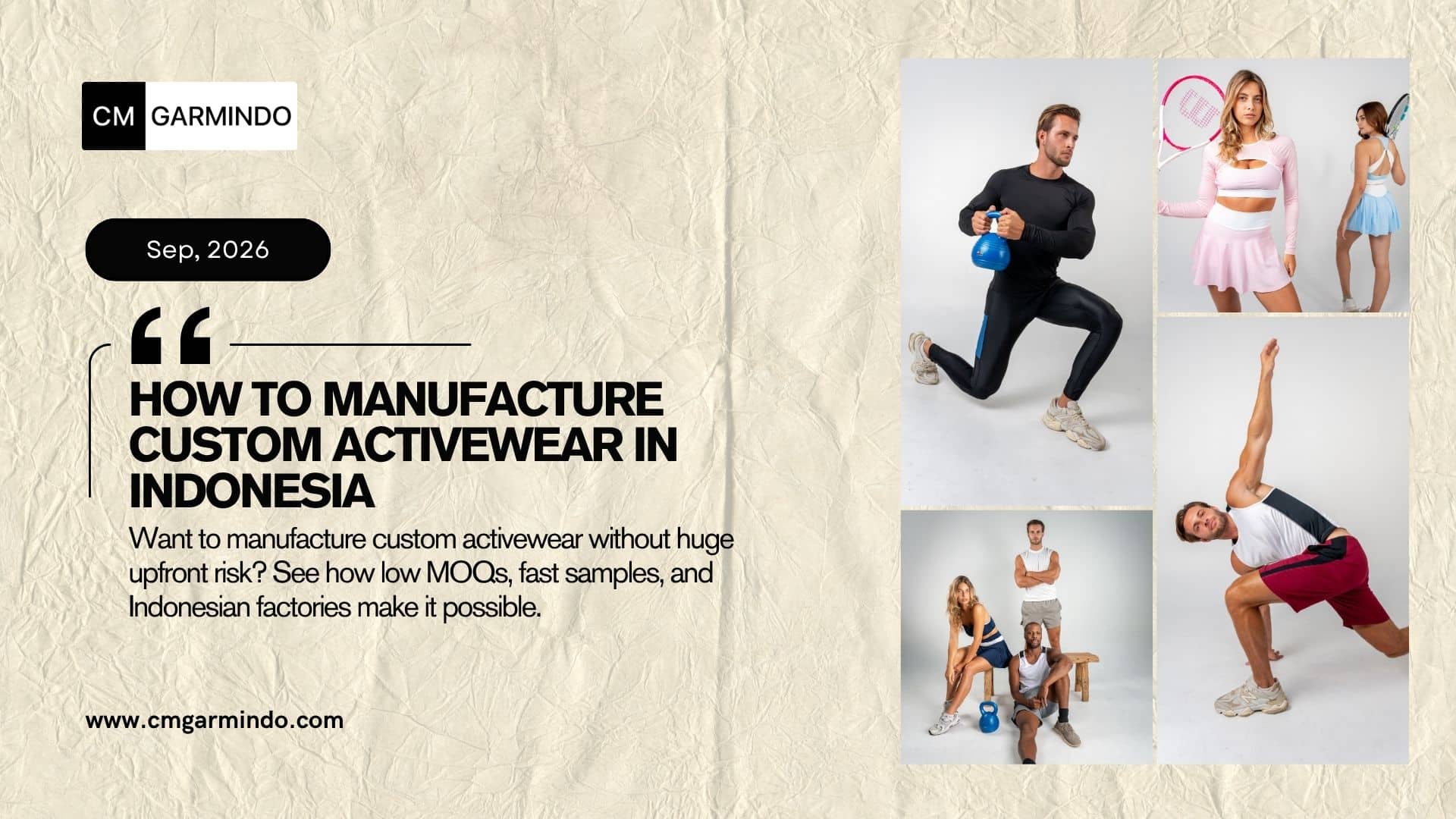
This risk becomes significantly higher when brands commit to manufacturers that require high minimum order quantities (MOQ).
Many businesses accept these terms in order to obtain a lower cost per unit, but large production runs can quickly turn into financial losses if the products fail to sell.
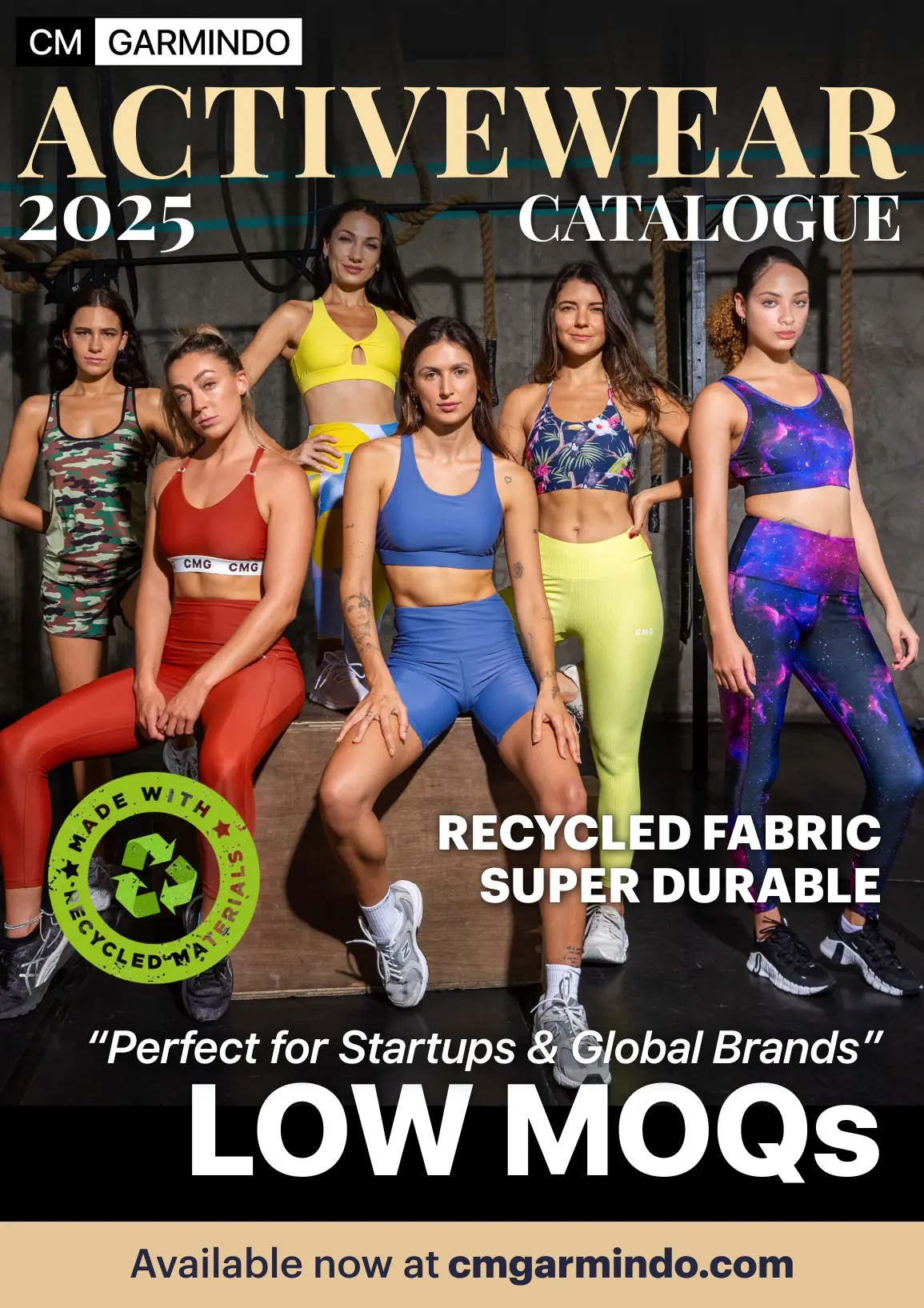
Choosing a manufacturer that offers a lower MOQ allows brands to remain flexible.
It enables you as a brand to test products in the market before committing to larger production volumes.
-
Work with Manufacturers That Offer White Label Designs
Design research, product development, and repeated revisions can consume a lot of time and money.
For emerging brands or businesses that want to move quickly with trends, this process can become a major challenge.
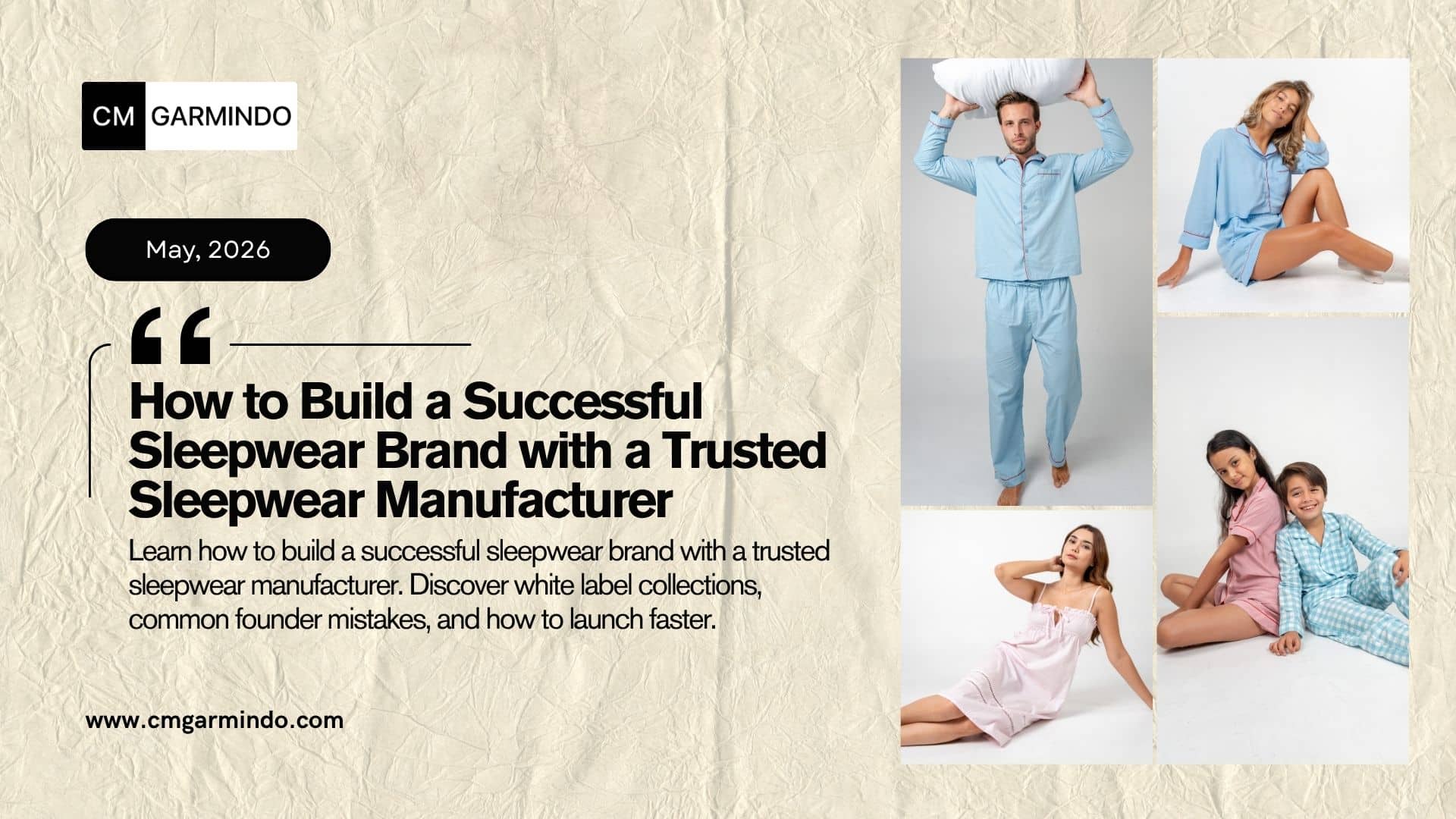
In these situations, white label clothing designs offered by manufacturers can be a practical solution.
Instead of building every design from scratch, brands can utilise pre-developed designs that are already based on current fashion trends and proven materials.
White label collections are often curated using styles and fabrics that already perform well in the market.
As a result, brands only need to focus on production and branding, rather than investing heavily in the design phase.
This approach allows brands to launch new collections more efficiently.
-
Test the Market with Small Production Quantities
Producing garments in large quantities does not always guarantee success, particularly when a brand is still testing the market.
Without clear demand, large production runs can result in unsold inventory and costly deadstock.
Deadstock is one of the most common financial burdens in the fashion industry.
Unsold inventory occupies storage space, ties up capital, and can damage a brand’s long-term profitability.
To minimise this risk, fashion brands should consider manufacturers that allow smaller production quantities.
Producing in limited batches allows businesses to test consumer interest before scaling production.
Once a design proves successful, the brand can then confidently increase production with lower risk.
-
Order Samples Through On-Demand Manufacturing E-Commerce Platforms
Ordering garment samples is a crucial step in evaluating a manufacturer’s stitch quality and materials.
Traditionally, this process involves lengthy communication, multiple revisions, and complex coordination between brands and manufacturers.
However, some modern manufacturers are simplifying this process through on-demand manufacturing e-commerce platforms.
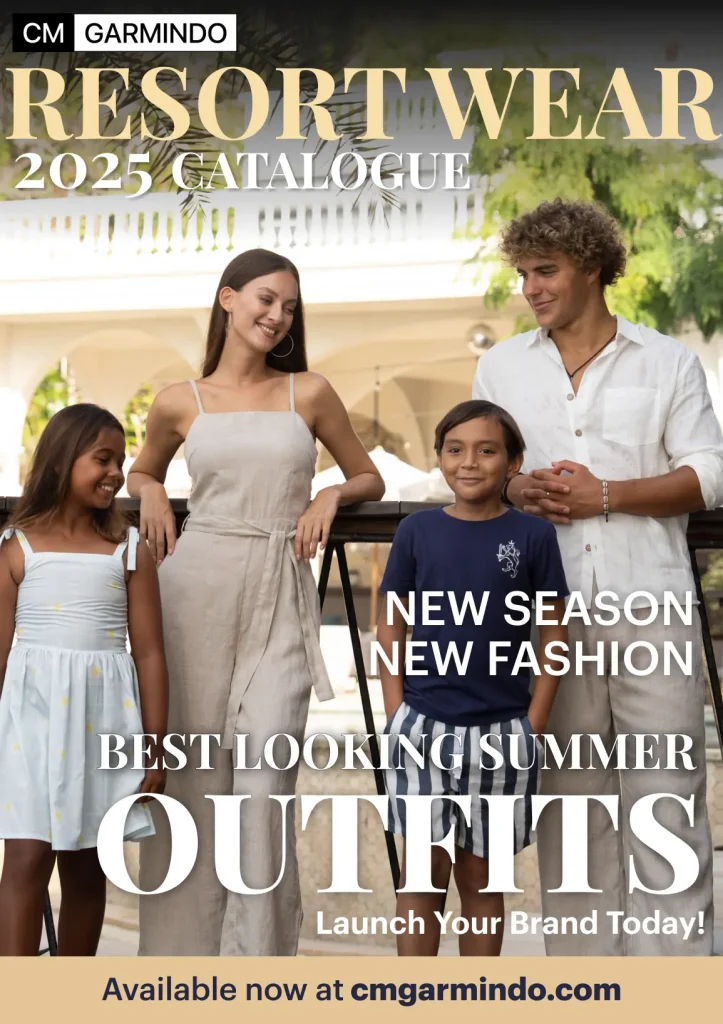
For example, manufacturers like CM Garmindo provide an online platform where brands can easily order garment samples.
This system allows businesses to customise colours, prints, and materials while streamlining the sampling process.
By reducing operational complexity, brands can focus more on activities that drive growth; such as marketing strategies, brand partnerships, and customer engagement.
Conclusion
The fashion industry moves quickly, and uncertainty is an unavoidable part of running a clothing brand.
By choosing manufacturers with low minimum order quantities, utilising white label designs, producing smaller batches to test the market, and leveraging on-demand manufacturing platforms, fashion brands can significantly reduce their exposure to inventory and financial risks.
These strategies allow businesses to remain flexible, respond to market trends faster, and make data-driven production decisions.