
As a brand owner, we often begin with a positive vision; a belief that the label we’re building can create meaningful impact for both society and the environment. It’s an inspiring place to start and, more importantly, it’s increasingly essential.
In fact, working with a Fair Trade partner can significantly enhance your brand’s reputation by aligning your business with globally recognised social and environmental values. In today’s market, consumers are more mindful than ever; generating powerful word-of-mouth and long-term loyalty toward brands that stay true to the mission.
However, the real challenge arises when we begin translating that vision into reality.
There’s nothing wrong with the concept you’ve developed. On the contrary, it’s backed by consumer insights. According to the Mintel UK Fashion & Sustainability Market Report, 57% of Britons now prioritise sustainability in their fashion purchases; reflecting a wider shift towards conscious consumerism.
Customers care not only about the style or comfort of a garment, but also about who made it and the environmental footprint it leaves behind. To meet these expectations, your brand needs a clothing manufacturer that shares your values.
One of the most critical first steps? Choosing a Fair Trade partner that applies the principles of ethical and sustainable manufacturing from the ground up.
What is a Fair Trade Clothing Manufacturer?
Before we delve deeper into the processes involved, it’s important to understand what a Fair Trade clothing manufacturer truly represents. At its core, Fair Trade production is about respect; respect for people, for the planet, and for the long-term impact of our industry.
The World Fair Trade Organization (WFTO) outlines several core principles that Fair Trade organisations must follow, including:
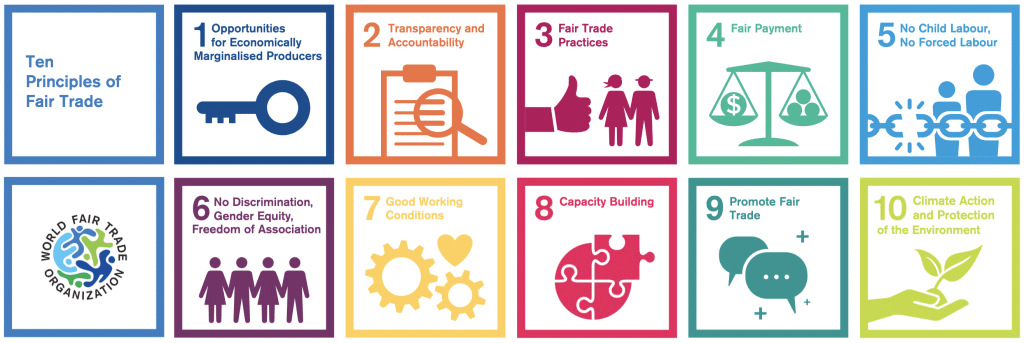
What separates a Fair Trade clothing manufacturer from a standard one is their active commitment to reducing harm; both socially and environmentally.
For example, while standard factories may underpay workers or operate under exploitative systems, Fair Trade manufacturers commit to providing living wages, reasonable working hours, and safe, healthy conditions for all staff.
On the environmental front, Fair Trade manufacturers strive to minimise industrial waste, avoid toxic chemicals, and use certified sustainable materials. Meanwhile, conventional manufacturers often cut corners in these areas to reduce costs; at the planet’s expense.
Why Work With a Fair Trade Clothing Manufacturer?
Partnering with a fair trade clothing manufacturer goes beyond ticking a sustainability box; it’s about building a brand rooted in integrity, transparency, and long-term value. Here’s why it matters:
1. Ethical Labour Practices
Fair trade manufacturers prioritize safe working conditions, fair wages, and the wellbeing of every person in their supply chain. It means saying no to exploitative labour and yes to empowering garment workers.
At CM Garmindo, we uphold international labour standards and regulatory compliance including CPSIA (USA), REACH (EU), CCPSA (Canada), and SASO (Saudi). This ensures every product is made with care; for both the people and the planet.
2. Environmental Responsibility
Fair trade often goes hand-in-hand with sustainability. From minimizing water waste to using eco-friendly materials, responsible clothing manufacturers are mindful of their environmental footprint.
CM Garmindo actively implements sustainable production methods; from choosing recycled and organic fabrics to following strict chemical control protocols; helping your brand reduce its environmental impact without compromising on quality.
3. Brand Reputation and Consumer Trust
Today’s consumers are paying attention. They want to know where their clothes come from and how they’re made. By choosing a fair trade clothing manufacturer, you show your customers that your brand stands for more than just style—it stands for values.
Challenges You Might Face
1. Higher Production Costs With Purpose
Only around 2% of garment workers globally earn a living wage. That’s the harsh truth behind the low prices of fast fashion.
Fair Trade manufacturers work differently. They ensure fair wages, safe conditions, and responsible sourcing—all of which contribute to higher production costs.
For example, sustainable fabrics such as Organic Cotton can cost up to 30% more than conventional alternatives. But the return on investment is clear: garments that are longer-lasting, less harmful to the planet, and more aligned with your brand’s ethical standards.
At CM Garmindo, we help brands manage these costs by focusing on long-term value, not just short-term profit.
2. Longer Lead Times Due to Ethical Sourcing
Ethical production is not rushed. It requires time to ensure material certifications, verify labour practices, and maintain quality at each stage.
Yes, lead times can be longer; but they reflect thoughtful, intentional creation.
With early planning and close coordination, ethical manufacturing timelines can still meet market expectations without compromising values.
As a brand, you know the world doesn’t need more clothing; it needs better clothing. Pieces made with care, rooted in respect, and backed by values. Working with a fair trade clothing manufacturer is how you turn that belief into action.
It’s true; ethical production often means paying a little more and waiting a little longer. But in return, you gain peace of mind, customer loyalty, and a supply chain you can be proud of.
At CM Garmindo, we’re proud to support forward-thinking brands like yours. Our commitment to fair wages, safe working environments, and sustainable materials are essentials. Together, we can challenge the fast fashion model and co-create a future where fashion uplifts everyone it touches.
Source :
https://wfto.com/wp-content/uploads/2024/11/Translations-The-10-Principles-of-Fair-Trade-1.pdf
https://www.fibre2fashion.com/industry-article/10237/steps-towards-sustainability-in-fashion-in-2024
https://www.fastcompany.com/91020011/why-sustainable-clothes-are-so-much-more-expensive