Before you consider choosing sustainable fabrics for your apparel line, we need to first get something out of the way. The word “sustainable” is sort of greenwashing, but also, not.
In the strictest definition, sustainability is currently not attainable by any apparel brand.
That’s because the most sustainable garment is the one that’s made from a natural material without environmental impact; that doesn’t have a carbon footprint; is recyclable; and one that you maintain; forever.
And there lies the problem. With the state of the clothing manufacturing industry and growing consumer demand, it’s impossible to meet all of these criteria.
With that said, sustainable can also mean a shift in direction toward a more environment-friendly choice. It’s a movement.
It’s about learning what’s happening, what’s available, and then taking decisive action. One step at a time.
With environmental concerns on the minds of clothing brands, and at CM Garmindo, we’re all seeking sustainable fabrics that appeal to the eco-conscious consumer.
Choosing sustainable fabrics for your apparel line is a commitment to reducing your brand’s environmental footprint.
In this article, we explore the best sustainable fabrics in the industry.
Understanding the Importance of Sustainable Fabrics
There’s two main factors that are at the core of a critical shift within the fashion industry:
- sustainable fabrics
- advancements in manufacturing processes
The cultivation of sustainable raw materials is meant to minimise environment degradation. Think of the difference between growing conventional Cotton versus organically growing Cotton.
Farmers and textile mills need to meet strict protocols with the use of advanced technologies to reduce the use of harmful chemicals, reduce waste, and reduce carbon emissions.
It can be said that when clothing manufacturers like CM Garmindo provides sustainable fabrics sourcing, we’re signalling that we’re remedying the industry’s historically large ecological footprint.
When choosing sustainable fabrics for your apparel line, you’re helping to increase consumer appetite for responsibly made garments.
Like I said before; this is a movement. The adoption of environment-focused manufacturing embodies the commitment to altering industry standards and consumer perceptions.
Organic Cotton: The Go-to in Sustainable Clothing
Organic cotton is a mainstay in the clothing manufacturing industry. This cotton variant can be used to make almost any type of garment. And that’s why it tops our list.
Reasons why organic cotton is on our list:
- Farmed without the use of synthetic pesticides / fertilisers which reduces soil and water pollution;
- Requires significantly less water to cultivate or treat in processing than conventional cotton;
- Reduces exposure of agricultural and textile workers to toxic chemicals;
- Fabrics have a naturally soft hand-feel, is produced to be breathable, and it’s durable;
- Perfect for people with sensitive skin, especially babywear;
- Offers designers and CM Garmindo a versatile fabric to produce comfortable and stylish garments.
By using organic cotton for your apparel line, you can cater to a broader consumer base who are looking for sustainable clothing.
Check out some of CM Garmindo’s organic cotton fabrics here.
Tencel™: A Beacon of Sustainable Fabrics
Tencel™, the branded version of Lyocell, is the poster child for clothing brands looking for a best-in-class sustainable fabric for their apparel lines.
Reasons why Tencel™ is high on our list:
- Produced from wood pulp obtained from certified sustainably managed forests in Europe;
- Because the raw material is trees from forests, it doesn’t need any irrigation or pesticides;
- Made in a closed-loop process, solvents and water is reused which reduces pollution and waste;
- Tencel™fabrics are soft, have excellent moisture management, are great for sensitive skin;
- Knit and woven versions drape elegantly, perfect for making luxurious garments;
- One of CM Garmindo’s favourites for its versatility in making beautiful resort wear.
If you’re looking to incorporate next-generation sustainable fabrics for your apparel line, then Tencel™ should top your list too.
Check out some of CM Garmindo’s Tencel™ fabrics here.
Linen: The Breathable and Biodegradable Fabric
One of humanity’s earliest fabrics, Linen is a perfect candidate when you’re choosing sustainable fabrics for your apparel line.
Reasons why you should choose Linen:
- Farming flax inherently requires less water and few pesticides to grow reducing its environmental impact;
- When produced without treatment, Linen is 100% biodegradable which is perfect for circular fashion;
- Due to its yarn type, Linen offers a highly breathable fabric for warm weather clothing;
- It’s natural texture gives CM Garmindo an adaptable fabric that extends to a wide array of applications;
- Linen is highly durable but also gets softer with every wash so it’s perfect for luxury apparel that lasts a long time.
Linen’s place in sustainable fashion is rooted in its ability to produce luxury apparel that lasts long, and gets better with every wear. Check out some Linen options here.
Recycled Nylon and Recycled Polyester: Technologically Advanced Fabrics
Regenerated fibres made from post-consumer and post-industrial waste represents a technological advancement in the fabrics industry.
Reasons why recycled Nylon and recycled Polyester are on our list:
- Obtaining PET bottles, ghost-fishing nets, and hundreds of other discarded waste from our environment reduces the mounting waste in our landfills and oceans;
- Reconstituting existing waste means we don’t have to produce new petrochemicals or expend energy on making virgin Nylons or virgin Polyesters;
- The closed-loop process is highly controlled and produces little CO2 emissions of its own;
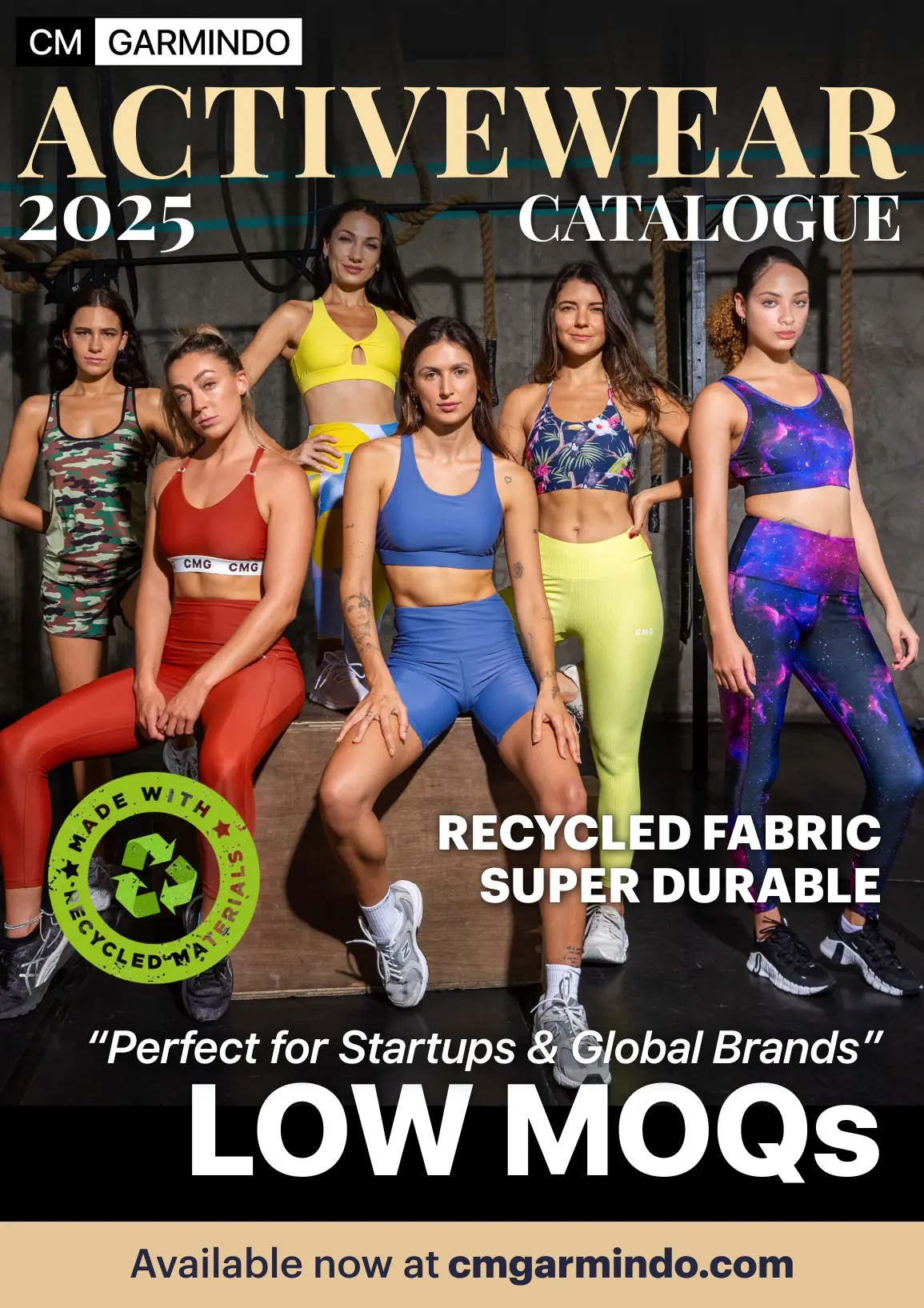
- Econyl® and Repreve® based fabrics are amazingly soft and super durable making them the perfect choice for activewear fabrics and swimwear fabrics;
- Due to the buttery softness of CM Garmindo’s Econyl® based fabrics, they’re perfect for kids swimwear.
An innovative way to reuse existing plastics, recycled Nylon and recycled Polyester are the go-to for activewear and swimwear brands alike.
Check out some of CM Garmindo’s recycled Nylon and recycled Polyester fabrics here.
Why Didn’t We List Other Sustainable Fabrics Like Hemp or Bamboo?
There are obviously dozens of other sustainable fabrics that we could have listed. This article was by no means meant to be an exhaustive list.
However, there are some fabrics that we didn’t list for two main reasons. Either our clients never use them, or they aren’t what they claim.
Take for example Hemp. Although highly sustainable, none of our clients ever choose it. That’s because of Hemp’s texture and its price.
Because of Hemp’s naturally rough texture, none of our clients like it. And why use expensive Hemp when you can use equally sustainable but much lower cost Linen. I know, right?
Bamboo is also not on our list. But this is not because of its price. Bamboo is in fact a fairly low cost fabric with a wide variety of applications.
We didn’t add it because almost all Bamboo fabrics are not made in a closed-loop. This process is highly toxic and factory run-off causes damage to our environment.
Additionally, Bamboo is only good when it’s used in a blend. 100% Bamboo fabric is too stretchy and difficult to work with which causes more waste during cutting and sewing.
How to Start Choosing Sustainable Fabrics For Your Apparel Line
If you’ve started to research sustainable fabrics, you’ve already taken a step towards environmental responsibility.
Add ethical Fair Trade clothing manufacturers to your search, and it’ll be easier to find high quality eco-friendly fabrics.
That’s because Fair Trade garment manufacturers like CM Garmindo adhere to sustainability goals. Sourcing sustainable fabrics is baked into our process.
Obviously, you’ll be looking for the unique characteristics of fabrics and how they align with the form, function, and aesthetics your garments require.
But educating yourself, and your customers, about the ecological and ethical advantages of choosing sustainable fabrics for your apparel line will create brand advocates for you.
Remember how we said this is a movement?
Today’s consumers want to be part of something that affects change. People want to belong to a tribe of changemakers.
By choosing sustainable fabrics, creating a community around your apparel line, and reinforcing the values of sustainability, you’ll be driving demand for your products.
If you’re looking to stay ahead of developments in the sustainable fabrics industry, we recommend revisiting our blog page. We’ll be writing more about this topic again.
And if you’re a clothing brand owner at the cusp of choosing sustainable fabrics for your apparel line, then give us a call. Come join the movement too!