Imagine you’ve just launched a kids swimwear collection.
The prints are beautiful, featuring a pale blue wave pattern that gets saved all over Pinterest. Your first batch sells out within a week.
A few weeks later, a parent is standing beside a busy swimming pool, trying to spot their six-year-old daughter in that pale blue swimsuit.
It takes her longer than expected because the light blue colour blends into the pool water.
That evening, their daughter complains that her swimsuit feels uncomfortable. There’s even a red mark along one of the seams.
A few months later, the fabric starts losing its shape and colour. It turns out that regular exposure to chlorine and UV rays has affected its durability.
The tag still mentioning UPF 50+, but that rating is measured under specific testing conditions. Real-life wear is different, especially when the fabric gets wet, stretched, and used repeatedly.
The little girl may tell her friends that she doesn’t like the swimsuit. Her mum might not buy from your brand again.
That’s how one of the most important design decisions can affect customer experience, and long-term customer retention.
When you look back at how the swimsuit was designed, you realise that nothing was necessarily wrong with the original design brief.
It simply focused on how the swimsuit should look, without considering everything a child needs when wearing it.
Kids’ swimwear needs to do more than look good.
It should feel comfortable against sensitive skin, make children easier to spot in the water, withstand regular exposure to chlorine and sunscreen, and provide reliable sun protection.
Let’s look at what matters when choosing the right fabric for your next kids swimwear collection.
What makes a swimsuit gentle enough for sensitive skin?
A swimsuit is gentle enough for sensitive skin when it reduces friction. This depends more on how the garment is made than on the fibres alone.
A paediatric dermatologist quoted by the National Eczema Association explains that fabric itself is not always the main problem. Friction is often what causes irritation to sensitive skin. This is important because friction is something you can reduce through better garment construction.
Swimwear is usually made from synthetic fabrics. The same source notes that textile-related skin reactions can be more common with synthetic clothing. However, that doesn’t mean polyester or polyamide (Nylon) are automatically a bad choice.
A well-constructed polyester or polyamide swimsuit can feel much gentler against the skin.
Once the suit is gentle, how do you make the child easy to spot?
Children are naturally active. They swim, play, and move around constantly, which can make it difficult for parents to keep track of them in busy swimming areas.
One interesting thing we’ve noticed is that some brands approaching us for swimwear production already prefer solid colours or bright neon colour-blocking for their kids swimwear collections.
There’s a good reason behind this choice.
Water safety experts often recommend high visibility (high-vis) bright colours such as neon yellow, neon orange, neon pink and bright red because they stand out better against the surrounding water.
In pool visibility tests, neon pink and orange performed particularly well. White and light blue, on the other hand, tended to blend into the pool floor and become harder to see.
Darker colours can be visible too, but they may sometimes look similar to shadows, leaves or other objects in the water.
For open water, such as lakes and beaches, neon orange and yellow are also popular choices for better visibility.
Of course, bright swimwear colours are not a replacement for adult supervision or proper water safety. However, choosing more visible colours should always be considered when designing kids swimwear.
Which fibre maintains its neon brightness without hurting the skin?
Polyester and polyester-based blends are generally good choices for swimwear that needs to maintain its colour and shape after repeated exposure to chlorine.
The right fabric can also be made comfortable against the skin through proper garment construction.
Polyester blends are known for their colour retention and resistance to fading but they’re mainly used because they’re hydrophobic; they dry quickly.
Nylon blends are hydrophilic which can retain moisture longer creating vulnerability at specific touch points.
Let’s look at the differences.
Nylon (Polyamide)
Nylon is popular because it feels soft and offers excellent stretch; sometimes providing a softer feel and greater flexibility than polyester.
This makes it an attractive option for comfortable kids’ swimwear.
Although this isn’t true for all Nylon, its colour and elasticity may deteriorate faster compared with suitable chlorine-resistant polyester fabrics; which may be due to its hydrophilic properties.
Nylon can also be a more affordable option, depending on the fabric construction and supplier.
One important thing to consider is that nylon fabrics are not suitable for sublimation printing. This is due to its hydrophilic properties.
Before selecting nylon, make sure your design does not require printed graphics.
Polyester
Polyester generally holds its colour and shape better in chlorinated swimming pools; likely due to its hydrophobic properties.
It’s widely used for swimwear because of its durability and resistance to chlorine. This makes it a practical choice for children’s swimsuits that are used frequently.
Another important consideration is elastane.
Chlorine can gradually damage elastane fibres, affecting their ability to stretch and return to their original shape.
However, the right choice still depends on the intended use of the swimsuit.
A fashion-focused kids’ collection may require a different balance of softness, stretch and durability compared with competitive swimming apparel.

What Fabric Options Can You Consider for Kids Swimwear?
At CM Garmindo, we offer several fabric options that can be considered when developing kids swimwear collections.
Here are some examples:
82% Recycled Polyester 18% Spandex – Acetex UPF 50+
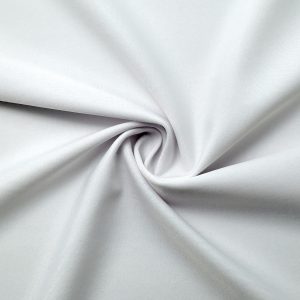
Made from recycled materials, this fabric offers a more environmentally conscious option for swimwear production.
Its soft feel and four-way stretch support comfortable movement, making it suitable for active swimwear designs.
It also offers UPF 50+ protection and resistance to chlorine, making it a practical option for swimwear intended for outdoor and pool use.
86% Recycled Polyester 14% Spandex Microfibre UPF50+ (for Boardshort or Swimshort)
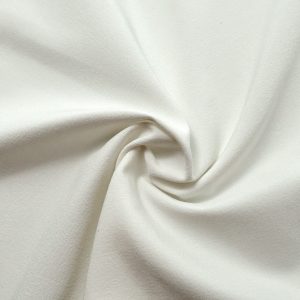
Made from recycled polyester and elastane, this fabric is suitable for boardshorts and swim shorts that need a little extra stretch.
Its lightweight construction and quick-drying properties help keep children comfortable both in and out of the water.
The smooth microfibre texture provides a soft feel, while its durability and resistance to saltwater and UV exposure make it suitable for active beachwear.
It is also suitable for sublimation printing, allowing brands to customise their swimwear with unique prints and colours.
80% Recycled Polyester 20% Spandex Vüta
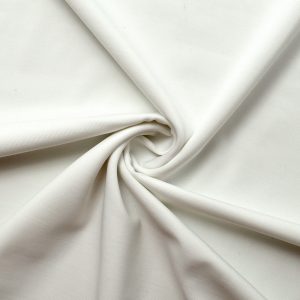
This recycled polyester and spandex blend offers a combination of stretch and flexibility for swimwear applications.
Its composition makes it another option to consider when developing comfortable and movement-friendly swimwear designs.
This fabric ideal for swimwear, active swim, and water-based activities.
78% Recycled Nylon 22% Spandex Econyl UPF50+ (VITA by Carvico)

This fabric is an eco-sustainable techno-fabric made with regenerated ECONYL® Nylon yarn.
Engineered to be ultra chlorine and sunblock/oil resistant, this fabric also provide excellent UV protection.
80% Nylon 20% Spandex Shiny
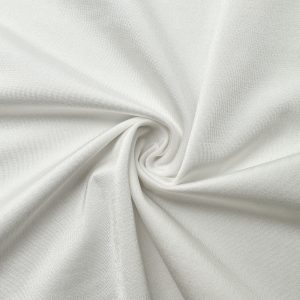
As mentioned on this fabric composition, this fabric offers a luminous finish that radiates brilliance, making it a standout choice for bold, and eye-catching designs.
With their 20% spandex, this fabric bring stretch and comfort which perfect for swimwear that needs to perform beautifully.
Conclusion
Designing kids’ swimwear is more than choosing attractive prints and colours.
The right fabric needs to balance comfort, visibility, durability and sun protection, while the garment construction must support the way children actually move and play.
At CM Garmindo, we offer currated fabric to help brands develop kids swimwear collections with these practical considerations in mind.
Our kids swimwear manufacturing has also passed Intertek safety testing for the US market, giving brands another important consideration when developing products for children
If you’re planning your next kids swimwear collection, choosing the right fabric is a good place to start.
Source :
https://www.ctvnews.ca/barrie/article/could-the-colour-of-your-childs-swimsuit-save-their-life/